
Digital Marketing Experts in 2026: Mastering AI-Powered Growth Engines
In 2026, digital marketing has evolved from a collection of tactics into a sophisticated ecosystem of AI-powered growth engines. What once relied on manual segmentation, guesswork-based creative, and periodic campaign tweaks now runs on intelligent, autonomous systems that learn, predict, adapt, and scale in real time. For digital marketing experts, mastering these AI-driven engines isn’t optional—it’s the core competitive advantage.
This shift marks the transition from campaign thinking to system-led growth. Brands that treat marketing as interconnected AI-orchestrated machines outperform those still running siloed ads or one-off content pushes.
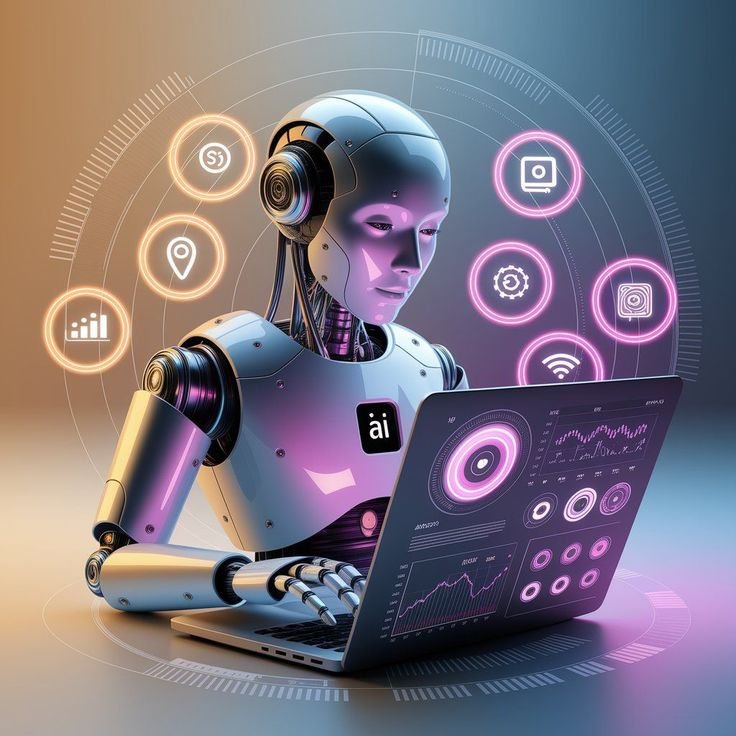
1. The Rise of Agentic AI and Autonomous Marketing Workflows
One of the defining features of 2026 is the widespread adoption of AI agents—autonomous software entities that handle multi-step marketing processes with minimal human input. These aren’t simple chatbots; they’re goal-oriented systems that plan, execute, and optimize entire workflows.
For example, an AI agent can monitor real-time performance across paid channels, adjust bids, test new creatives generated via generative tools, re-segment audiences based on fresh behavioral data, and even draft performance reports—all while aligning with brand guidelines. Tools like custom agents built on platforms inspired by OpenAI’s AgentKit or advanced martech suites allow marketers to create drag-and-drop workflows that run 24/7.
Experts who master agentic marketing see massive efficiency gains: routine tasks vanish, freeing time for strategy, creative direction, and innovation. According to industry insights, by late 2026, leading brands use these agents to boost ROI through continuous optimization rather than monthly reviews.
The key skill? Designing effective agent prompts, setting clear guardrails (to avoid “slop” or off-brand output), and maintaining human oversight for high-stakes decisions.
2. Hyper-Personalization at True Enterprise Scale
Personalization in 2026 goes far beyond “Hi [First Name].” AI now delivers one-to-one experiences across every touchpoint using predictive analytics, real-time intent signals, and unified customer identities.
AI systems analyze first-party data, zero-party preferences (from quizzes or direct inputs), contextual signals (device, location, time), and even cross-channel behavior to craft messages, offers, and content dynamically. This includes personalized video ads, dynamic email sequences, website experiences, and social feeds tailored in milliseconds.
Predictive models forecast not just purchase likelihood but lifetime value trajectories, churn risk, and optimal next-best actions. Brands leveraging these see retention lift and revenue growth that traditional segmentation can’t match.
Mastery here requires clean data foundations and privacy compliance—regulations tightened further in 2026, making ethical, consent-based data the only viable path.
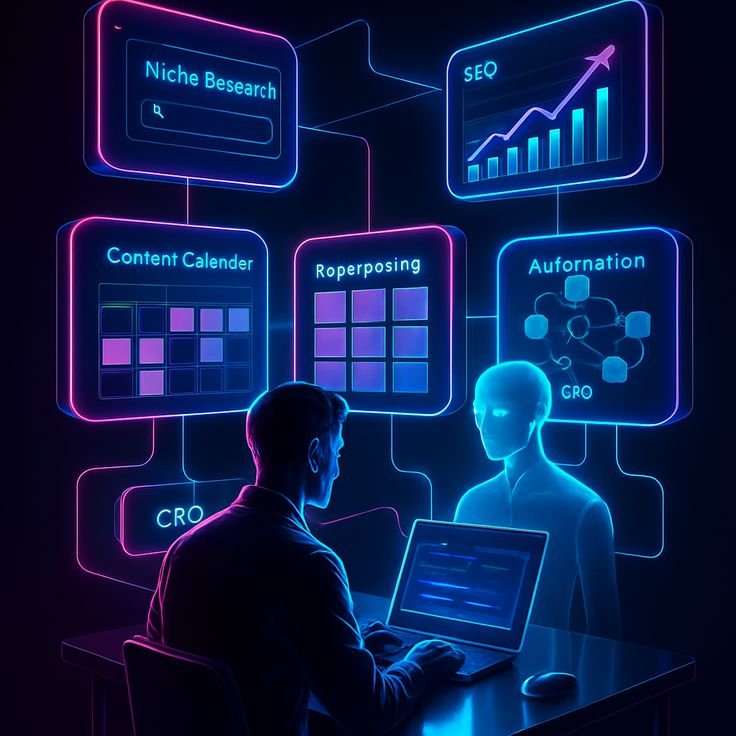
3. AI-Driven Discovery and Search Everywhere Optimization
Traditional SEO is evolving into Search Everywhere Optimization (or Adaptive SEO/GEO—Generative Engine Optimization). In 2026, discovery happens less on Google SERPs and more through AI assistants, chat interfaces, voice agents, and recommendation layers in apps like ChatGPT Search, Gemini, or custom brand agents.
AI systems summarize, compare, and recommend products before users ever visit a website. Brands must optimize content for these engines: structured data for citations, authoritative phrasing, multi-perspective answers, and visibility across platforms.
Experts build “AI-friendly” content ecosystems—long-form assets that feed discovery, combined with real-time signals for relevance. Paid media adapts too, with AI bidding on emerging discovery surfaces.
4. Generative AI as Creative Co-Pilot and Video Powerhouse
Generative AI in 2026 is a mature creative partner. Tools produce high-quality copy, images, and especially video content at scale. AI video generation (building on models like Sora) enables personalized short-form ads, product demos, and social reels customized per audience segment.
Marketers use AI to brainstorm concepts, refine scripts, generate variants, and even create consistent brand characters or spokespeople. The winning approach blends AI speed with human judgment: AI handles volume and iteration; humans ensure authenticity, emotion, and bold differentiation.
A major risk? Over-reliance leading to generic “median” output. Top experts push boundaries with provocative, human-led ideas that cut through AI-generated noise.
5. Real-Time Optimization and Full-Funnel AI Systems
The most powerful growth engines in 2026 connect the full funnel: awareness, consideration, conversion, and loyalty—into unified AI systems. Attribution models use AI to trace influence across channels accurately, even in privacy-first worlds.
Campaigns self-optimize: underperforming creatives auto-rotate, budgets shift to high-ROI paths, and audiences refine dynamically. This system-led approach outperforms traditional campaign silos.=
Skills Digital Marketing Experts Must Master in 2026
To thrive, professionals need:
- AI literacy — understanding agents, prompting, and limitations.
- Data strategy — building privacy-compliant, unified datasets.
- Hybrid creativity — leading AI tools while injecting human insight.
- Strategic oversight — designing systems, not just executing tactics.
- Ethical governance — managing bias, transparency, and brand safety.
The Bottom Line
In 2026, AI-powered growth engines turn marketing from cost center to revenue driver. Experts who master agentic workflows, hyper-personalization, discovery optimization, generative creativity, and full-funnel systems lead the pack. Those who resist or treat AI as a side tool fall behind.
The future belongs to marketers who view AI not as a replacement, but as an amplifier of human strategy and creativity. Build your growth engine thoughtfully, govern it wisely, and watch sustainable, scalable results follow.